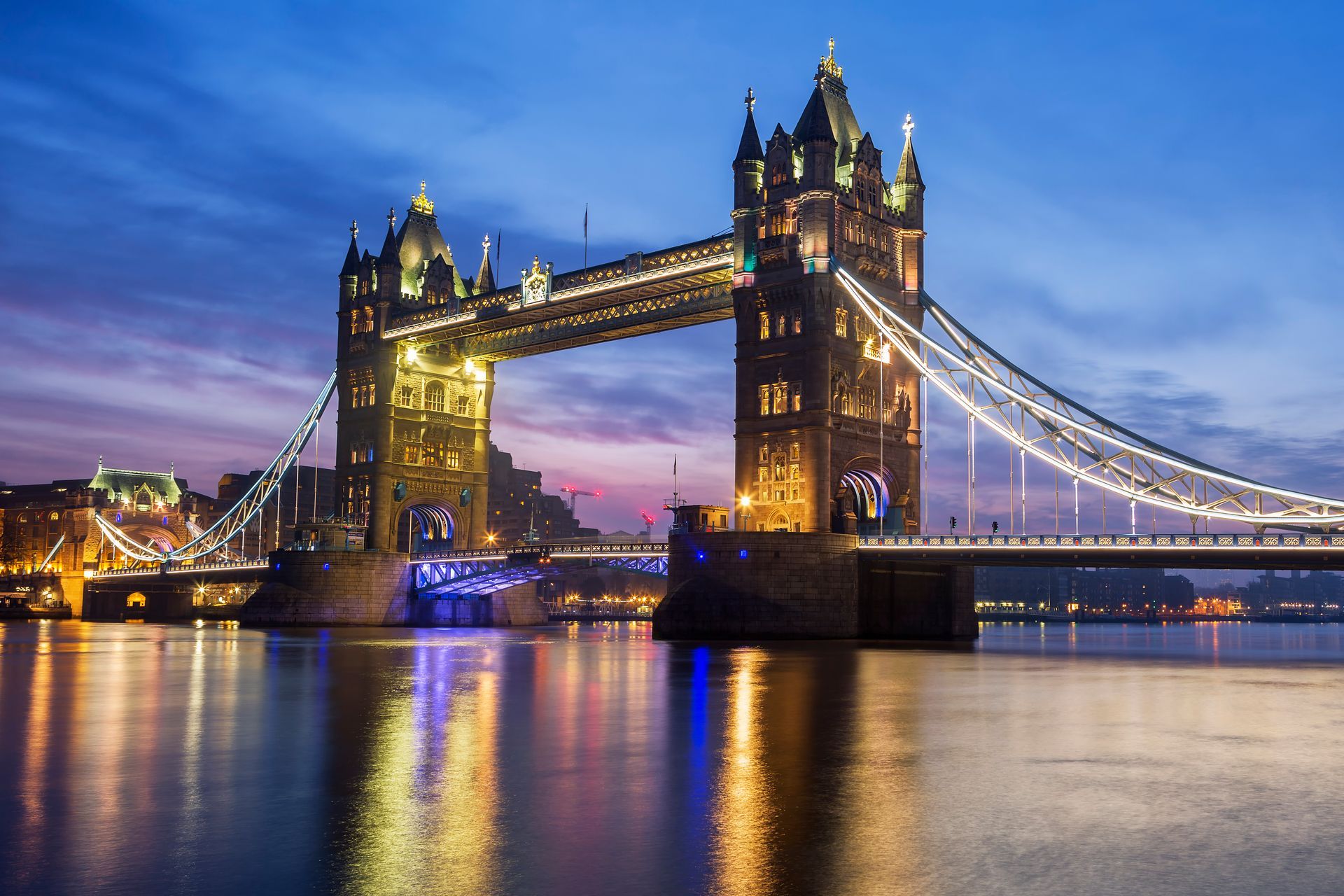

London's Next Reinvention: 5 Surprising Truths from the City's New Economic Blueprint
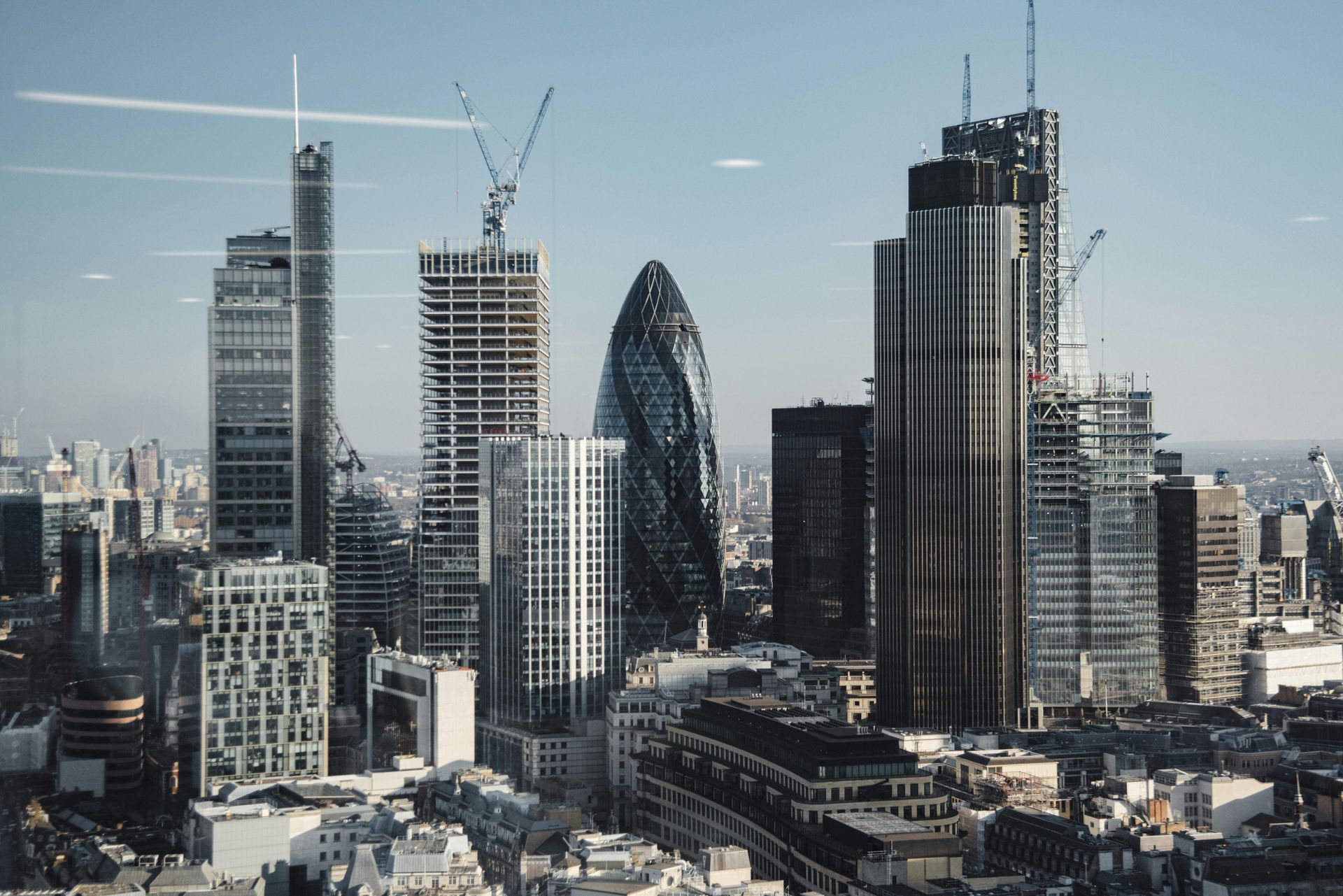
Beyond the Postcard Image of London

To the world, London often seems an unstoppable force. The city's bounce-back from the pandemic, growing faster than any other English region, reinforces its global reputation for resilience, dynamism, and relentless growth. This is the postcard image: a financial powerhouse that constantly evolves and expands, weathering every storm.
Yet, beneath this familiar surface, a new and far more complex story is unfolding. The city’s new "London Growth Plan," a blueprint for the next decade, looks beyond the headlines to reveal a city at a critical turning point. It paints a picture not of simple, inevitable growth, but of fundamental challenges and strategic reinventions.
This plan uncovers several surprising, counter-intuitive, and impactful truths that will define the city’s next chapter. Here are five of the most significant revelations that everyone from residents to investors should understand about the future of London.
The Productivity Paradox: Why London's Economic Engine Has Stalled
Productivity, in simple terms, is the ability to create more income for every hour worked. It’s the engine of higher wages and better living standards. For years, London’s engine roared. Between 1998 and 2007, the city’s productivity grew by an impressive 3% annually.
But since the global financial crisis, that engine has sputtered. From 2008 to 2022, London's productivity has "flatlined," growing at a mere 0.12% per year on average. This slowdown is so significant that London accounts for almost half of the UK's productivity drop, driven by a combination of factors including chronic business underinvestment, the high cost of housing, and lower national R&D spending compared to global competitors.
This presents a stark paradox. While London remains the UK's most productive region, its growth has effectively stopped. This stagnation poses a fundamental challenge to the city's future prosperity and its ability to fund the public services and quality of life its residents expect.
The Wealth Gap: A City of Riches and Widespread Poverty
London is, by a wide margin, the richest city in the UK. Counter-intuitively, it is also home to the most people in poverty. The data is stark: one in seven Londoners lives in "persistent poverty," a rate well above the national average. This crisis disproportionately affects the city's youngest residents, with a third of all children in London living in poverty.
Perhaps the most shocking revelation is that having a job is no longer a guaranteed escape. The plan highlights a critical and often-overlooked reality of in-work poverty:
There are twice as many Londoners in poverty in working households than in workless ones.
This fact challenges the foundational belief that employment is the ultimate solution to poverty. It reveals a deep-seated inequality where low pay and poor conditions mean that for a significant minority, work simply isn't enough to cover the high cost of living. Furthermore, this inequality is not evenly distributed; the plan acknowledges that Londoners from minoritised ethnic backgrounds are disproportionately more likely to live in poverty, revealing a structural challenge that goes beyond just income versus expenses.
The Innovation Pivot: From Tech User to Tech Creator
For the past two decades, London's economic success was built on being a world-class "innovation taker." The city proved exceptionally skilled at applying technologies largely developed in the US like the internet, cloud computing, and mobile tech to its powerful financial and professional service sectors.
Now, the city is embarking on a strategic pivot. The growth plan outlines an ambition for London to evolve into an "innovation maker" and an "originator at the frontier of innovation." This means moving from applying existing tech to creating the breakthrough technologies of the future.
The plan identifies several key "frontier" sectors where London aims to establish global leadership: life sciences, climate technologies, artificial intelligence, and quantum computing. This shift represents a conscious effort to develop a new core strength: evolving from a skilled adopter of global technologies into a frontier creator of the world's next breakthroughs.
The "Galaxy" City: Why London's Center is No Longer the Whole Story
The global image of London's economy is often a picture of the Square Mile’s skyscrapers and the West End's bustling streets. While this central hub remains vitally important, its own boundaries have been expanding for years, with new economic hotspots emerging in areas like King's Cross and Shoreditch. Now, an even more radical shift is underway.
The report uses a powerful metaphor to describe this new reality, stating that London's economy is now like a "galaxy: a collection of complementary, connected stars" rather than a single, central star. This "polycentric" model recognizes the rise of major new commercial and industrial hubs outside the traditional core.
Landmark developments in areas like Old Oak and Park Royal, the Royal Docks, Earls Court, and Stratford are creating new centers of gravity for jobs and investment. This trend is fundamentally changing the city's economic geography, bringing high-quality opportunities closer to home for millions of Londoners and distributing growth across the capital.
The £50 Billion Green Secret: London's Eco-Economy is Already Booming
While many discussions frame the green transition as a future goal or a necessary cost, the London Growth Plan reveals it is already a massive economic reality. London's green economy is not an aspiration; it is a thriving sector in the here and now.
According to the plan, London’s green economy is "already worth almost £50bn per annum, making it the largest green economy in the UK and a global climate investment leader." This success is backed by tangible results. The city's carbon emissions have fallen by more than 40% since their peak in 2000, even as its population and economy have grown significantly.
This takeaway is impactful because it reframes the narrative around climate action. It positions London not just as a city with green ambitions, but as an established global leader that is actively proving that climate action is a powerful engine for domestic growth and a major export opportunity, positioning its green finance and innovation leadership on the world stage.
Reinventing the Global City
The London Growth Plan makes one thing clear: the city's future will be far more complex and dynamic than a simple story of unchecked growth. Confronting stalled productivity, deep inequality, and global competition, London is charting a new course built on frontier innovation, distributed growth, and a world-leading green economy.
As the plan itself states, "The best days of this city are not in our extraordinary past, but in our exciting future as we reinvent London once again."
As London confronts these challenges and opportunities head-on, which of these reinventions will truly define the city for the millions who call it home?
Contact Information
LONDON INSURANCE WEEK
PR
Email:
ellis@liw.global
Connect with us @LIWGLOBAL all Socials to continue the discussion
📅 Event: London Insurance Week 2026
🌐 More Info: https://www.liw.global/info
📌 Facebook :- https://www.facebook.com/LIWGLOBAL/
📌 Instagram :- https://www.instagram.com/liwglobal
📌 Twitter :- https://x.com/LIWGLOBAL
Event Information and Registration
Visit:
www.liw.global/tickets