

THE CRITICAL MISSION
Turning Regulatory Hurdles into Innovation Highways
For far too long, innovation has surged ahead of regulation, leading to uncertainty that hampers investment and hinders progress. The LIW Space Hub Showcase represents the essential intersection of state-sponsored and supported Regulatory Innovation, advocated by the innovation community to reverse this trend.
Our mission is to foster an agile, "tech-positive" regulatory landscape where the UK's most promising ideas can be securely tested, validated, and expanded. This hub highlights the concrete outcomes of this fresh approach across vital high-growth sectors such as Space Exploration and Drone Technology.
"If the Perception of Risk always wins, there's no room for innovation"
The Aero Innovation Sectors
From Red Tape to Rocket Fuel: Powering the UK's Innovation Economy

Space Innovation
Establishing the UK as the leading hub for space enterprise by transforming regulatory frameworks from obstacles into a competitive edge.

Drones & Future Flight
We are driving the drone revolution, ensuring that the UK harnesses the vast economic and social advantages of autonomous aviation.
LIW MISSION
Unlocking the £2.7 Billion On-Orbit Economy
We are positioning the UK as the premier destination for space enterprise by transforming regulatory frameworks froma barrier into a competitive advantage.
- The Problem We are Solving: Complex, repetitive licensing and deep uncertainty around new mission types like In-Orbit Servicing and Manufacturing (ISAM) are holding back private investment.
- The Regulatory Innovation-Enabled Solutions:
- A Safe Harbour for Innovation: The delivery of a £2 million Rendezvous & Proximity Operations (RPO) sandbox. This enables companies to safely test complex new missions, providing the data needed for commercial and regulatory confidence.
- Building Market Confidence: The RPO sandbox provides unparalleled clarity for businesses, clients, and investors, creating the certainty needed to unlock new growth and secure funding.
- Streamlining the Path to Orbit: exploring digitalised licensing to create a more flexible regulatory frameworks focusing on licensing operators, not just individual missions.
- Industry in Action: bringing together Global space industry leaders like who are collaborating directly with state backed regulatory innovation bodies to leverage this new environment to drive practical reform and accelerate their in-space capabilities.
- The Role of Insurance: The global insurance market, based in London, serves as a crucial facilitator that offers the financial security necessary for launches, deployments, and intricate in-orbit operations, transforming these ambitious projects into viable financial opportunities. Within this Specialised Hub, LIW is collaborating with Insurance Leaders to pioneer practical frameworks that deliver assurance for highly lucrative and commercially feasible innovations that are often deemed "uninsurable."
- Thought Leadership at LIW: Our stage brings together the world's leading minds, innovators, regulators, and visionaries to chart the future alongside Insurance leaders
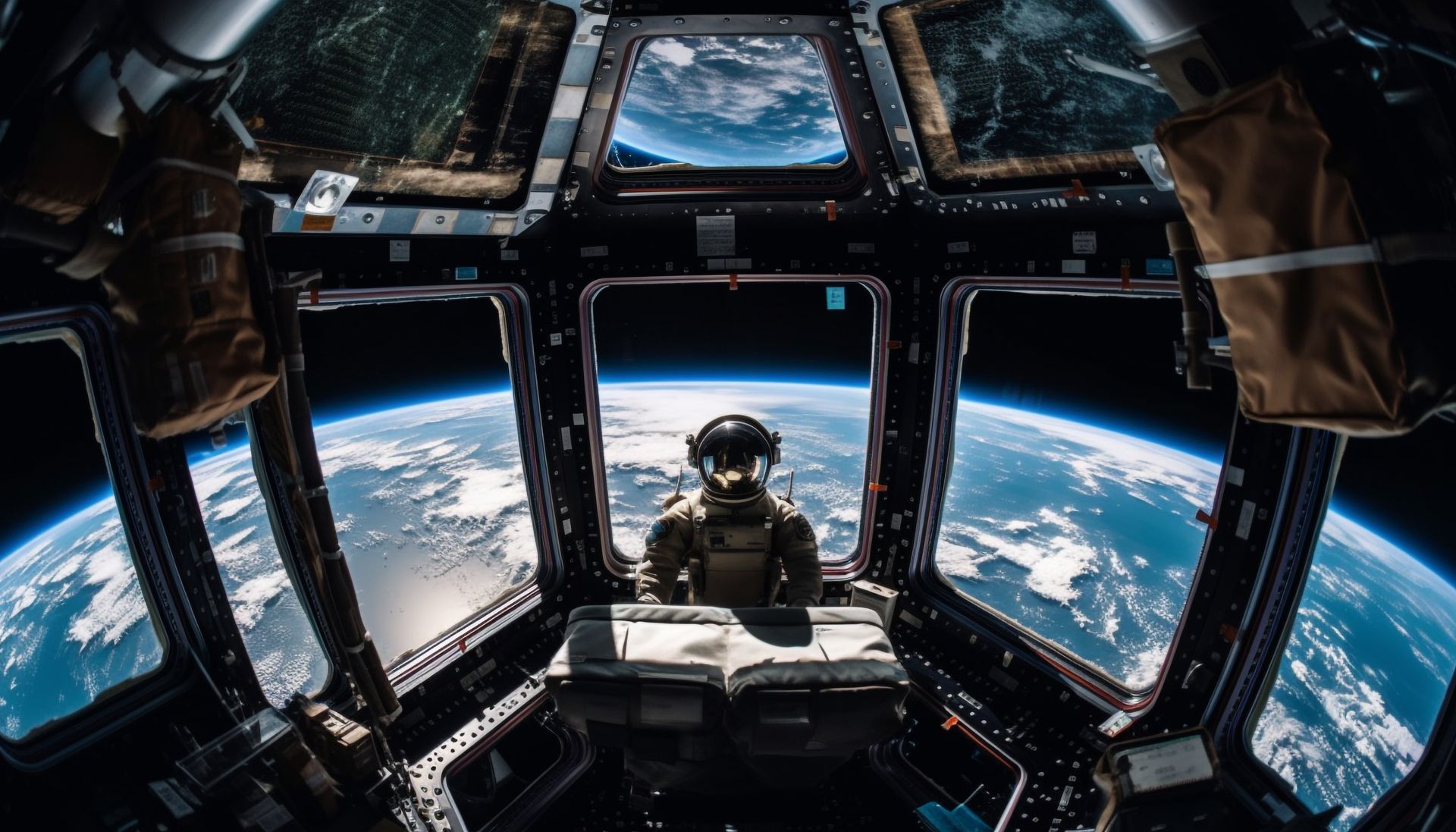
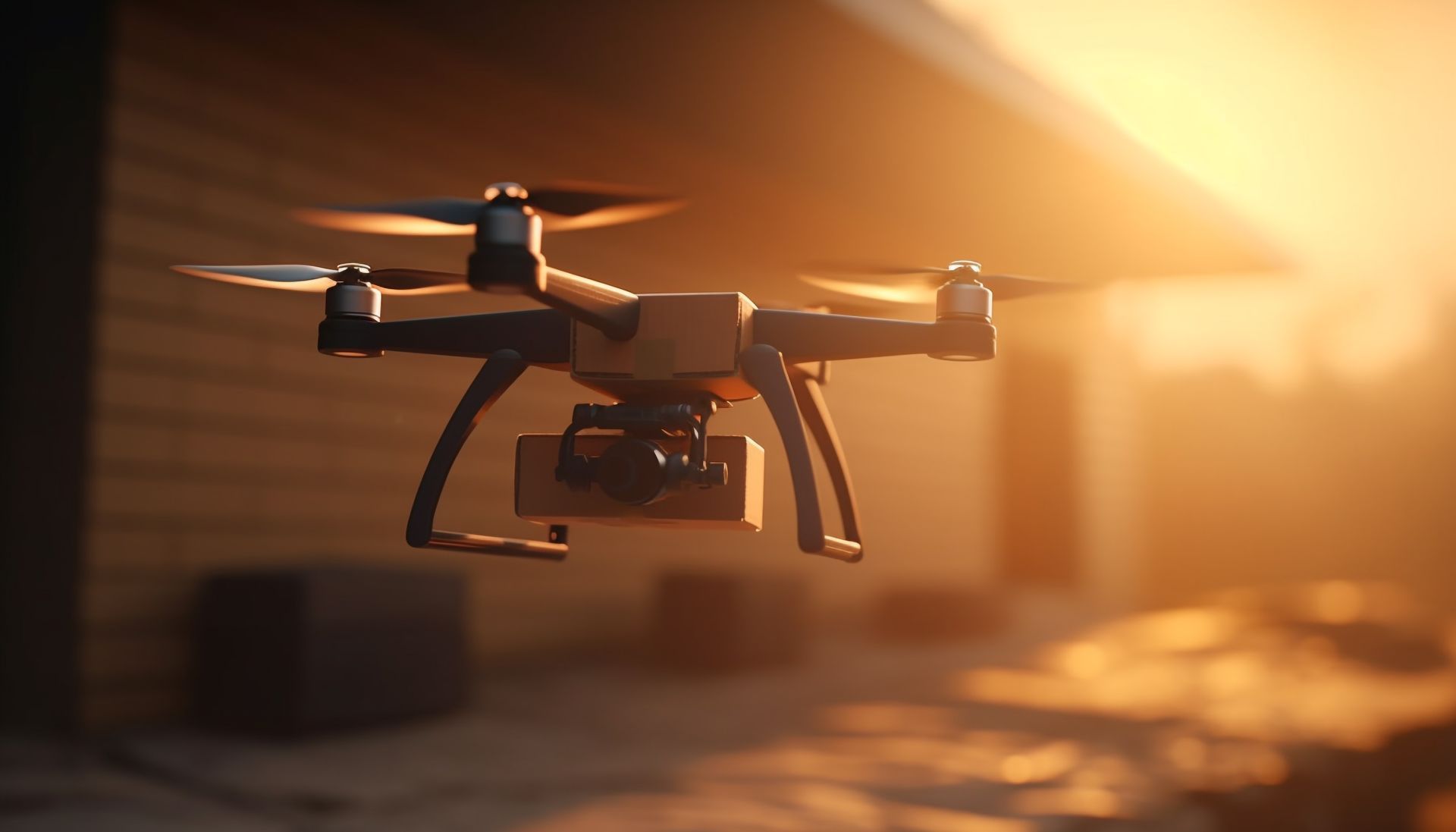
LIW MISSION
Powering the £103 Billion Future Flight Economy
We are enabling the drone revolution, ensuring the UK captures the immense economic and social benefits of autonomous aviation.
- The Problem We are Solving: Unclear rules for Beyond Visual Line of Sight (BVLOS) operations led to slow, inconsistent approvals, grounding commercial potential.
- The Regulatory Innovation-Enabled Solutions:
- Accelerated Approvals: By introducing a single, standard risk assessment (SORA) process with aviation authorities reducing approval times for complex drone operations.
- Revolutionising Public Services: enabling life-saving applications. For health regulatory body in the UK. Urgent blood deliveries that took over 30 minutes by van now take just 2 minutes by drone, cutting emissions by 99%.
- Delivering Commercial Certainty: Solving a critical regulatory block for AgriTech, preventing £200 million in annual crop yield losses. The new commercial roadmap sends a clear signal to investors that the UK is open for business.
The On-Orbit Economy - A Strategic Briefing on ISAM
A fundamental paradigm shift is underway in space. We are moving from single-use assets to a sustainable, circular orbital economy driven by In-Space Servicing, Assembly, and Manufacturing (ISAM).
This market is projected to be worth $20 billion in the 2030s, and the UK is poised to lead it. However, this revolution faces a classic "chicken-and-egg" problem of market adoption and requires a new level of strategic de-risking.
Our comprehensive briefing at the LIW Space Hub will explore the technology, the market leaders, the challenges, and the critical role of government and insurance in unlocking this multi-billion-pound opportunity.
LIW is proud to be the platform where these groundbreaking results are shared with the world.
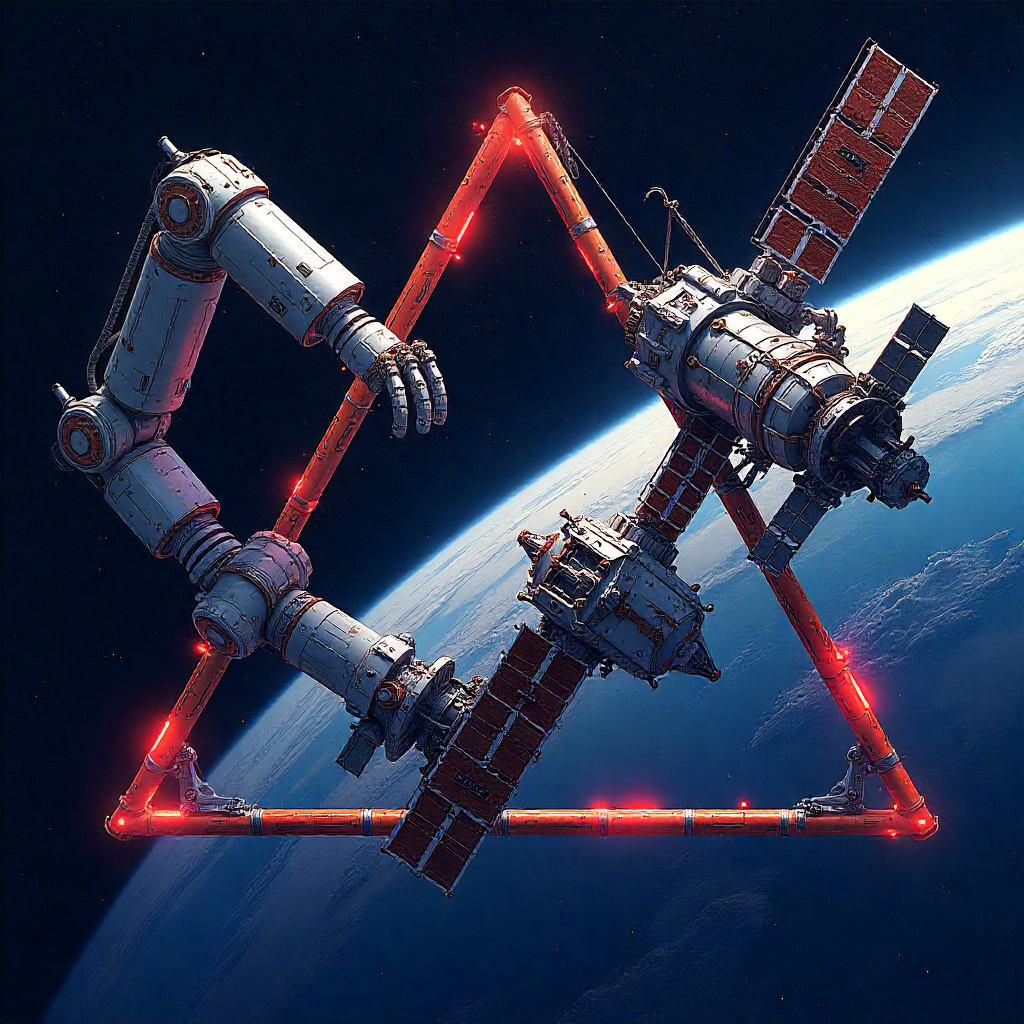
De-Risking the On-Orbit Economy
The On-Orbit Economy is a $20 Billion Ambition. LIW is Where it Gets Insured.
In-Space Servicing, Assembly, and Manufacturing (ISAM) is the next frontier of industrial innovation. But progress is stalled by unprecedented risk. London Insurance Week is the global platform where space pioneers and capital providers meet to solve these challenges and build the bankable future of space.
The Next Trillion-Dollar Question
The era of disposable, single-use satellites is over. A new, sustainable, and circular space economy is emerging, projected to be worth $20 billion by the 2030s. This revolution is driven by ISAM the ability to service, assemble, and manufacture assets directly in orbit.
But this ambition is built on a foundation of profound risk:
- How do you secure investment for missions with novel, unproven technologies?
- Who is liable if a robotic servicing mission goes wrong?
- How do you overcome the "chicken-and-egg" problem where investment waits for certainty, and certainty waits for investment?
This is the challenge London Insurance Week was built to solve. We are the convergence point where the world’s most complex risks are analysed, quantified, and underwritten, turning ambition into insurable, investable reality.
Below, we present a strategic deep dive into the ISAM landscape. As you read, consider that every challenge outlined is an opportunity for a new insurance solution a solution that will be forged at LIW.
Where Insurance Becomes the Enabler: The LIW Value Proposition
The ISAM briefing below details the immense technical and financial hurdles. At London Insurance Week, we translate these risks into opportunities. We are the marketplace where

The "Chicken-and-Egg" Dilemma
is solved by bespoke financial products like performance guarantees and political risk coverage that give investors the confidence to fund new ventures before they have flight heritage.

The Risk of Rendezvous & Proximity Operations (RPO)
is managed by sophisticated in-orbit liability frameworks and third-party insurance, developed by experts who understand the unique dynamics of space operations.
The Fear of Technical Failure (like the ISS's torn solar array)
is mitigated by advanced asset protection and business interruption policies, ensuring that a single anomaly doesn't bankrupt a multi-year mission.
The Uncertainty of Regulatory Gaps
is addressed by partnering with regulators and legal experts to create new standards, while providing Directors & Officers (D&O) insurance that protects leadership teams navigating this uncharted territory.
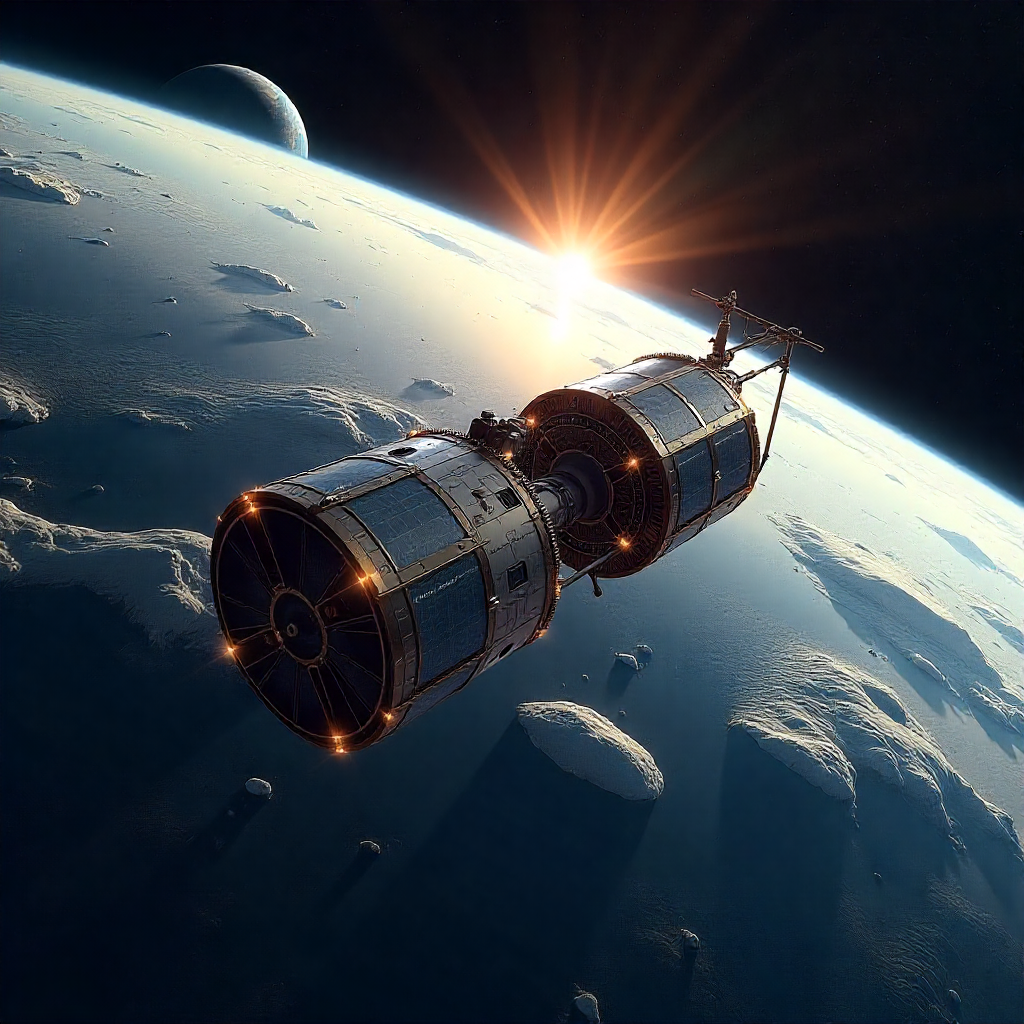
The On-Orbit Economy: A Strategic Briefing on In-Space Servicing, Assembly, and Manufacturing (ISAM)
The space sector is at a historic inflection point. The traditional model of launching disposable, monolithic assets is giving way to a dynamic, circular economy enabled by In-Space Servicing, Assembly, and Manufacturing (ISAM). This suite of capabilities is poised to redefine spacecraft design, operations, and economics, unlocking unprecedented value and sustainability.
The market for space logistics, underpinned by ISAM, is accelerating rapidly, with forecasts projecting a value of approximately $20 billion in the 2030s. Commercial viability has already been proven by pioneers like Northrop Grumman's SpaceLogistics, whose Mission Extension Vehicles are actively servicing satellites in orbit.
Despite this momentum, significant challenges remain, primarily the "chicken-and-egg" market adoption problem: operators are hesitant to design for serviceability until services are proven, while providers are reluctant to build costly infrastructure without guaranteed demand. This is compounded by a lack of industry standards and regulatory ambiguity.
Overcoming these hurdles is not merely a commercial opportunity; it is a strategic imperative for national security, long-term space sustainability, and enabling humanity's most ambitious future missions, from the Lunar Gateway to a sustained human presence in deep space
Your Mission Starts at London Insurance Week
The future of the on-orbit economy will be written by those who can master its risks. Whether you are building the technology, funding the vision, or underwriting the ambition, your next critical conversation happens here.
- For Space Innovators: Bring your mission to the one place with the financial expertise to make it fly.
- For Investors: Discover the next wave of de-risked, high-growth opportunities in the space sector.
- For Insurers & Brokers: Join us to design the products that will underpin the next great industrial revolution.
Let's build the future of space, together.
Welcome to the New Space Economy | London Insurance Week 2026
Space is no longer just a playground for governments or a backdrop for sci-fi. It is the site of the next Industrial Revolution. With the advent of reusable rockets, the "toll booth to the stars" has been smashed open, reducing launch costs from the price of a house to the price of a plane ticket.
By 2035, the space economy will be worth $1.8 trillion. But this isn't just about rockets; it is about "The Celestial Industrial Complex" a vibrant ecosystem solving Earth’s most pressing challenges.
The Mission: At London Insurance Week 2026, we are exploring how the insurance sector will not just protect, but propel these six quests for the future.

Space & Health Care Enablement
The Quest: Curing the Incurable
What if the cure for cancer requires zero gravity? We are moving beyond astronauts doing calisthenics to pharmaceutical giants saving lives.
The Capability:
Major players are already utilising the International Space Station to crystallize drugs like Keytruda. In space, the drug forms with such uniformity that it could transform a hours-long chemotherapy IV drip into a simple shot. Furthermore, other innovators are printing artificial retinas layer-by-layer to restore sight to the blind a delicate process that gravity ruins on Earth. We are even looking at bio-printing human hearts using a patient's own cells, as microgravity prevents the collapse of complex tissues.
The Insurance Frontier:
This creates a new paradigm of "Bio-Space" liability and risk. London Insurance Week will tackle the complexities of insuring clinical trials in orbit and the high-value transit of biological payloads that could save millions of lives.

Space & Manufacturing Enablement
The Quest: Building the Impossible
Gravity is a barrier to perfection. On Earth, gravity causes defects in materials and makes delicate mixtures separate. In the microgravity of orbit, we have discovered the ultimate factory floor.
The Capability:
We are moving from exploration to production. In orbit, we can manufacture ZBLAN, a specialised glass that is perfectly clear and free of cloudiness. A single strand of space made fiber can transmit data 10 to 100 times better than terrestrial cables. We are building materials in space that physically cannot exist on Earth.
The Insurance Frontier:
As factories move to orbit, asset classes change. We are discussing how to underwrite supply chains that travel vertically, insuring orbital manufacturing facilities against debris, and protecting intellectual property created in the vacuum of space.
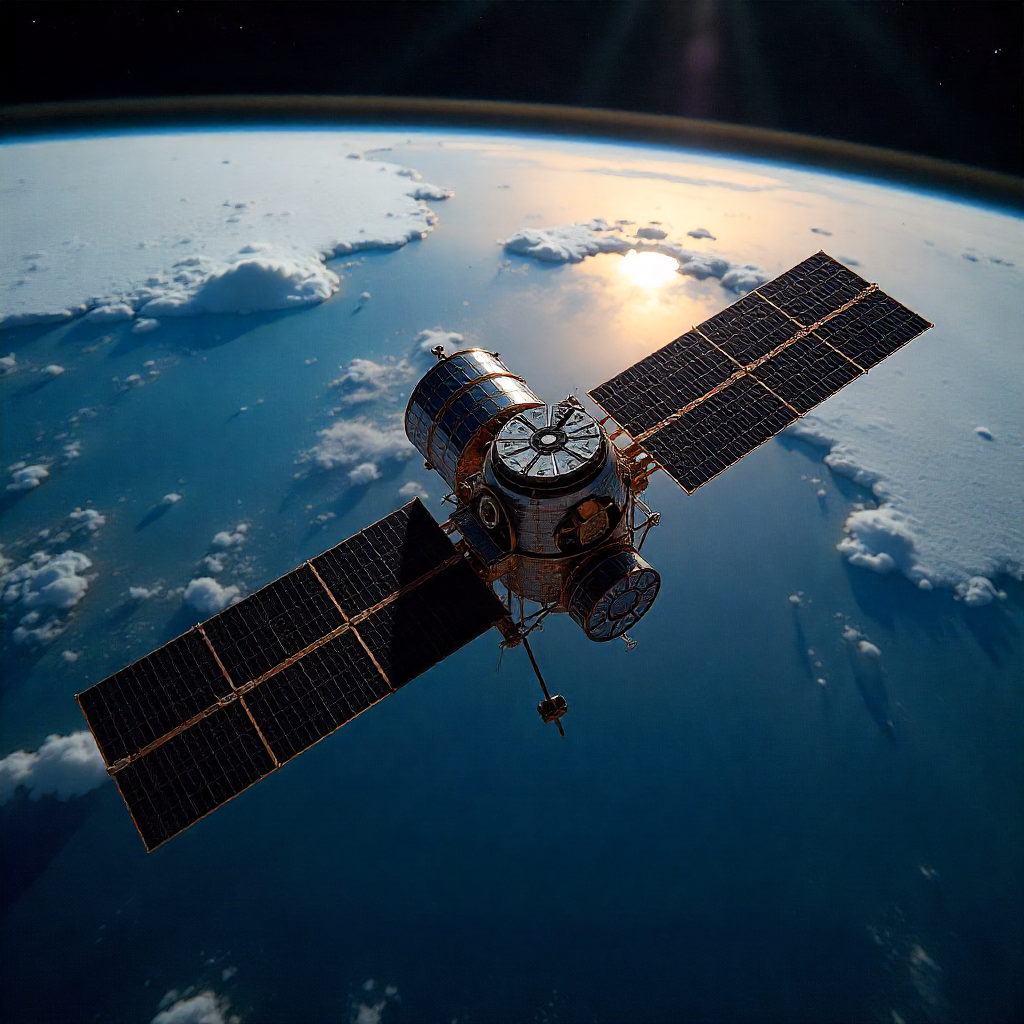
Space & Climate Enablement
The Quest: Planetary Management
You cannot manage what you cannot measure. Space provides the ultimate vantage point to protect our fragile, interconnected biosphere.
The Capability:
Satellites have evolved from simple cameras to real-time planetary monitoring systems. We can now pinpoint a methane leak from a single factory, detect illegal deforestation in the Amazon the moment it happens, and measure soil moisture in a Kenyan farmer's field to save a harvest. This is "Earth First" technology using space to ensure our planet remains habitable.
The Insurance Frontier:
Space data is the new gold standard for risk modeling. We will explore how satellite data drives parametric insurance triggers, validates climate claims instantly, and helps insurers predict environmental risks with unprecedented accuracy.

Space & Disaster Recovery Enablement
The Quest: The Unbreakable Lifeline
In a world that runs online, losing connection is not an option. Space is building an internet infrastructure immune to terrestrial chaos.
The Capability:
When volcanoes severed cables in Tonga or fires destroyed towers in Maui, terrestrial networks failed. Space did not. Satellite constellations like Starlink provided immediate connectivity for first responders and victims. We are building a world where being "offline" is impossible, ensuring that help can always be summoned, regardless of the disaster on the ground.
The Insurance Frontier:
Connectivity is resilience. We are examining how satellite redundancy reduces business interruption claims and how insurers can mandate space-based backup systems to lower premiums for high-risk regions.

Space & Mining Enablement
The Quest: The Infinite Supply Chain
Earth has finite resources; the solar system does not. To save our planet from "dirty" mining, we must look up.
The Capability:
Asteroids like 16 Psyche are floating repositories of nickel, iron, and rare earth metals worth an estimated $100,000 quadrillion. By harvesting platinum and cobalt in space, we protect Earth's ecosystem. Additionally, by mining water ice on the Moon to create Hydrogen and Oxygen, the Moon becomes the "gas station of the solar system," fueling missions deeper into the cosmos.
The Insurance Frontier:
Who owns an asteroid? How do you insure a mining rig millions of miles away? London Insurance Week 2026 acts as the forum to establish property rights frameworks and liability models for the extraction of extraterrestrial resources.

Space & Energy Enablement
The Quest: Limitless Clean Energy
The sun never sets in space. It is time to tap into the ultimate renewable energy source without the interruption of clouds or night.
The Capability:
Space Based Solar Power (SBSP) involves massive orbital panels collecting solar energy 24/7 and beaming it wirelessly to Earth via microwaves or lasers. In 2023, Caltech successfully demonstrated this technology. With launch costs dropping to ~$10/kg via Starship, we can now launch the massive infrastructure required to power our cities with zero carbon emissions.
The Insurance Frontier:
This is macro engineering at its finest. The industry must address the liability of wireless power transmission and insure the construction of massive energy arrays in orbit. We are defining the risk parameters for the energy grid of the future.
Your Opportunity to Acquire Valuable Insights from Seasoned Industry Experts.
The conference speakers are seasoned professionals who bring real-world experience to the table. You'll have the chance to engage with them directly, asking questions and gaining valuable knowledge. Additionally, you'll have the opportunity to network and connect with like-minded individuals in your field.